

VISIT PAPERWISE PAPER MILLS
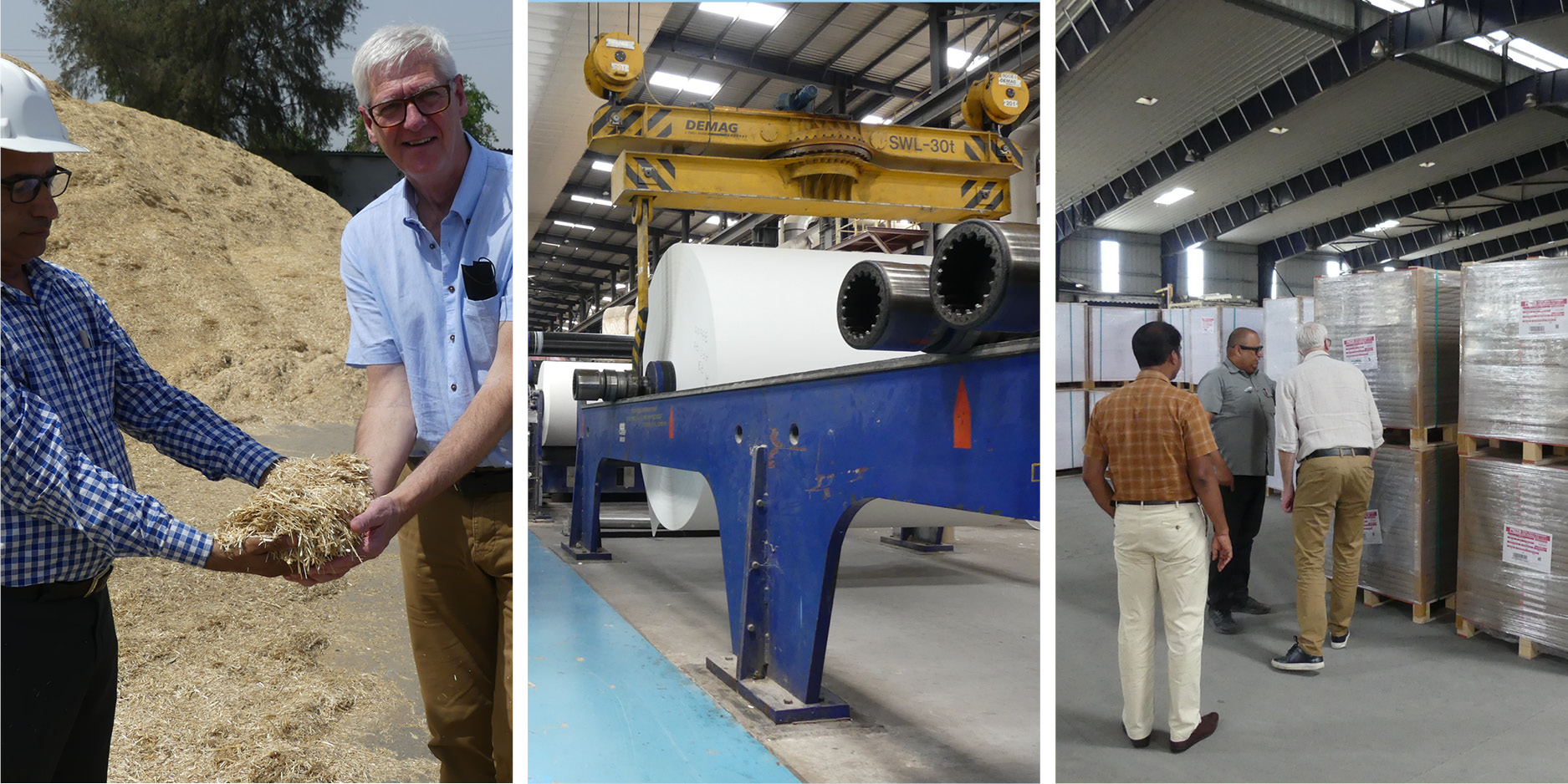
PaperWise maintains three key principles for the paper mills that produce PaperWise: agricultural waste is a raw material, consistent high quality, and Corporate Social Responsibility. Now that unrestricted travel is possible again after COVID-19, founder Peter van Rosmalen visited all production sites last year. During these visits, audits of the three principles take place. Additionally, seeds are planted for future ideas and potential new production partners are visited. The quality of PaperWise paper and the relationship with the factory employees are of paramount importance. PaperWise is constantly innovating out of a desire to give as much agricultural waste as possible a second life and to provide the market with a wide range of sustainable paper and paperboard types. Join PaperWise ‘on a journey’ for a look behind the scenes.
HIGHLIGHT: VISIT TO PRODUCTION SITES IN INDIA
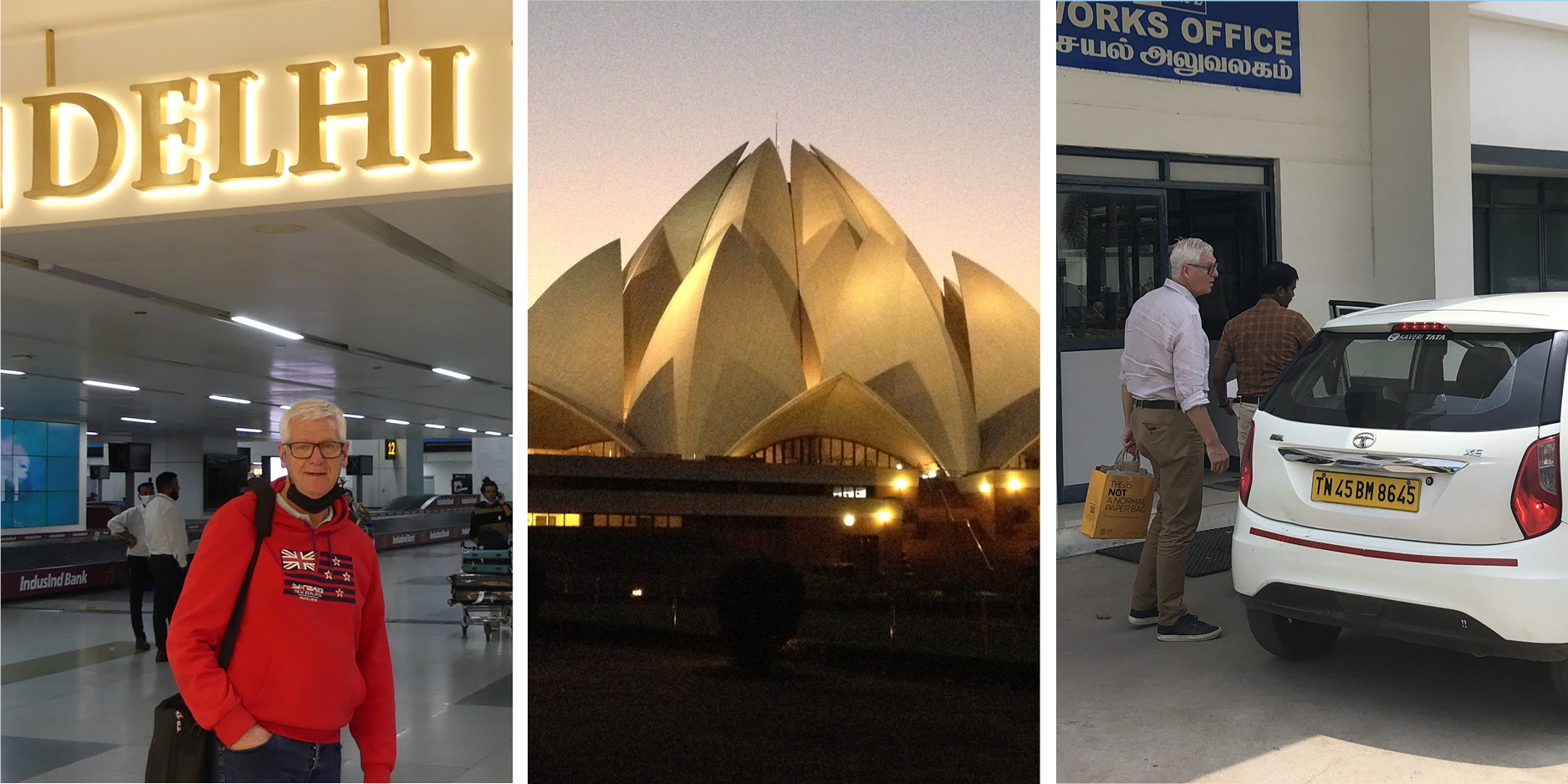
For one of the visits, Peter traveled to India, the country which, as of 2023 according to the United Nations, has the largest population in the world. The journey began in Delhi, a bustling metropolis of 39 million inhabitants full of historical monuments such as the iconic Taj Mahal, Qutub Minar, and Lotus Temple. A location from which all paper mills are easily accessible. Travel by car is an experience in itself. It always provides a wonderful impression of the culture and—although the differences between rich and poor remain visible—shows the development the country is undergoing. Indians are ambitious, proud, and very well aware of the country’s potential.
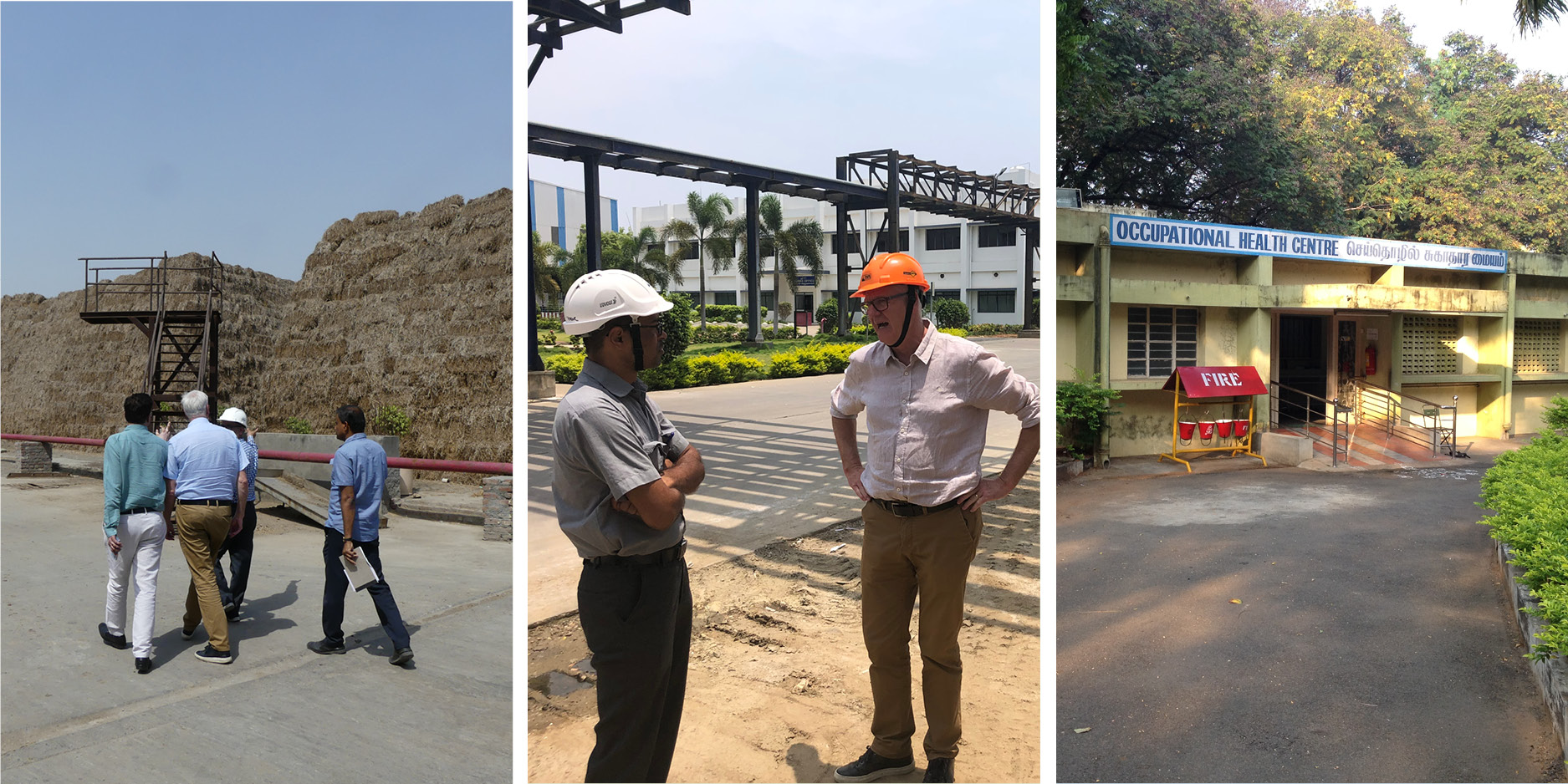
During the visits, it is always striking how much time is set aside to show and discuss everything. No secrets or forbidden zones. Transparency. Conversations with technical staff, product development, marketing, sales, and management provide a clear picture of what the paper mills are working on and which innovations are in the pipeline. Knowledge and ideas are exchanged. Discussions cover the differences in needs and cultures between Europe and India. Key focus areas such as quality assurance, sustainability, and continuity are discussed, as well as won awards and obtained certifications. Everything is addressed during these visits, which is what makes them so valuable.
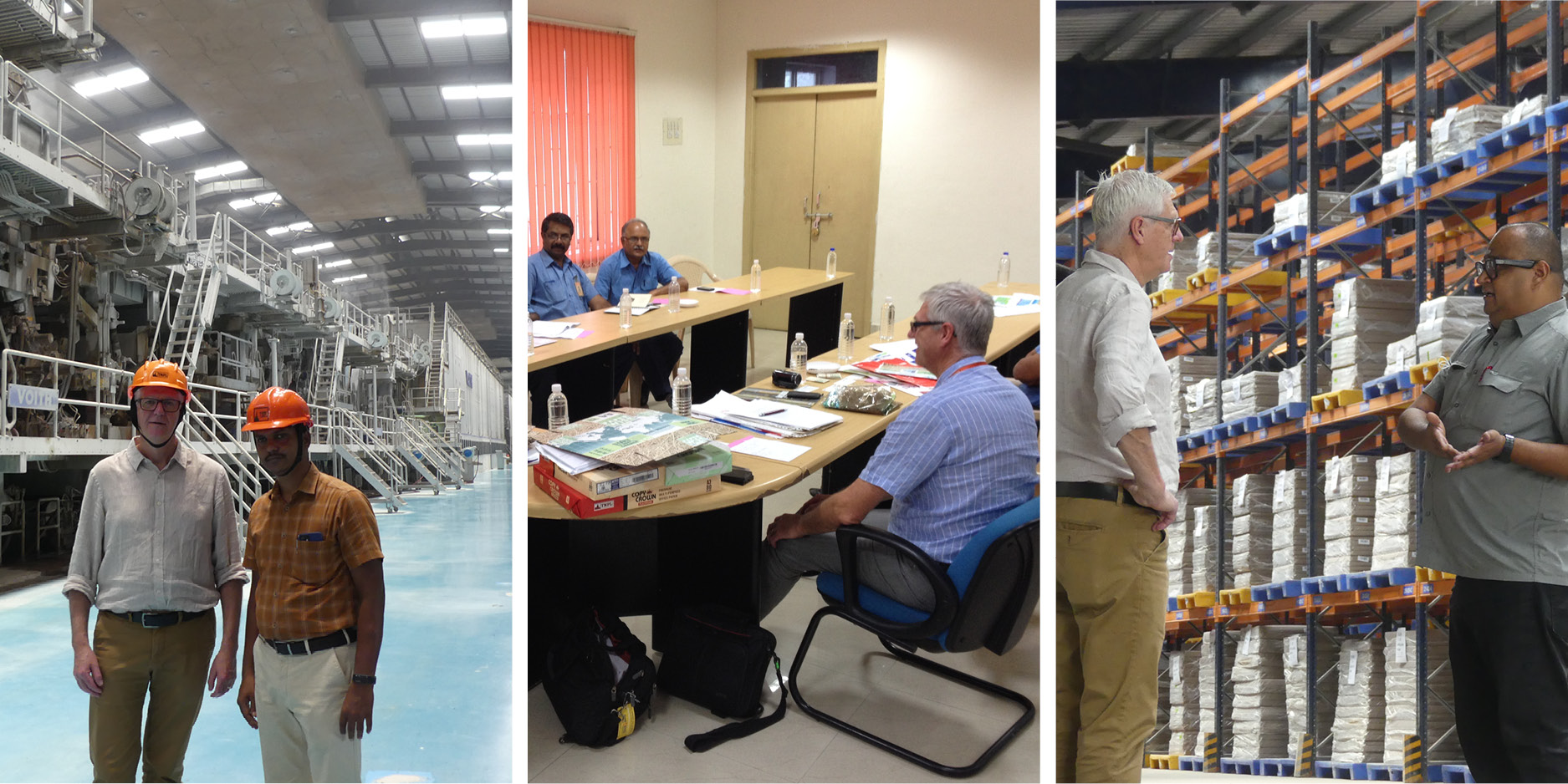
The factories and grounds are visited; we always get a look behind the scenes. We see the facilities available to employees and the local population, including a medical center, temple, church and mosque, schools including free bus transport for the children, and various sports facilities. But also the bio-digestion plants that produce green energy (methane biogas) from agricultural waste not suitable for paper to save CO2. A tour of the enormous water basins where excess river water is collected during the monsoons, so that the paper mill does not have to use groundwater. India experiences dry periods and farmers need groundwater to grow their crops. Due to the cooperation between farmers and the paper mill, there is an understanding that the paper mill does not use groundwater, unlike many European paper mills. We also take the time to visit other potential paper mills using agricultural waste as a raw material and to get acquainted personally.
QUALITY, HEALTH, AND ENVIRONMENT ARE PARAMOUNT
All paper mills where PaperWise is produced, in both India and South America, meet the strictest requirements regarding quality, safety, health, and the environment. Policy is safeguarded with management systems ISO 9001, ISO 45001, ISO 14001, and/or ISO 50001. White paper is bleached Elemental Chlorine Free (ECF), but the vast majority of PaperWise turnover consists of unbleached light brown paper and paperboard. Even better for the environment. These paper and paperboard types are certified for industrial composting EN 13432, home composting DinCertco, and are safe for direct food contact EC1935/2004. Nature knows no waste. PaperWise believes in a circular economy where waste materials are used as raw materials. PaperWise aims to upcycle as much agricultural waste as possible into high-quality paper and paperboard. This reduces environmental impact and ultimately changes the paper industry. PaperWise proves that it is possible, that the quality is top-tier, and that production conditions are of very high quality. The environmental impact of PaperWise is 47% lower than paper from trees and 29% lower than recycled paper. Low-income farmers in developing countries receive extra income because they are now also paid for their agricultural waste. Furthermore, this agricultural waste is not burned in the open air, which prevents smog formation and the emission of CO2 and other greenhouse gases. PaperWise shows that the paper industry can be socially responsible and environmentally friendly. If only there is the will to deviate from traditional paths.