

Is the EN 13432 composting standard the solution for litter?
A beach littered with fries and snack containers after a beautiful summer day. A park strewn with plastic cups after an event. Unfortunately, it happens all too often. Even that discarded banana peel, which appears to be natural waste but still has a non-biodegradable sticker on it, pollutes our environment. With an ever-growing amount of plastic and other difficult-to-decompose litter, there is a growing realization that things cannot continue this way.
This has led the European Parliament to take action to drastically reduce the use of plastic by businesses and consumers. This occurred, for example, with the law prohibiting the free distribution of plastic carrier bags.
Is the EN 13432 composting standard the solution for litter?
Within the European Packaging Directive, a standard is included that is used to certify biodegradability: EN 13432. It is a standard that more and more companies will encounter. What exactly is it, what does it mean for you, and how can you comply with it? And can you also benefit from it?
What is EN 13432?
Terms such as ‘biodegradable’, ‘bio-based’, or ‘compostable’ are becoming increasingly common as the use of difficult-to-decompose materials is discouraged. Because a proliferation—and sometimes deception—arose regarding the use of these terms, the European standard EN 13432 was established. It defines the properties a material must possess to be truly considered ‘biodegradable’ or ‘compostable’. If materials, such as packaging or bags, meet this standard, it means they can be recycled through biological decomposition.
EN 13432 therefore says something about the degradability of the material, not necessarily about the raw materials. This distinction is important because if packaging materials are bio-based (made from biological materials), it does not automatically mean they are also biodegradable. By using carrier bags or packaging materials that comply with the EN 13432 standard, you can be certain they are compostable and thus pose a much smaller burden on the environment than packaging that does not comply.
Why is EN 13432 important?
Firstly, the EN 13432 standard was created to provide clarity once and for all regarding the compostability of a product. By using an established standard, companies can demonstrate that they are using responsible materials.
But the underlying reason is even more important. The use of fossil raw materials and energy poses a massive burden on the environment. Discarded plastic litter and microplastics are increasingly polluting ecosystems. The EN 13432 standard makes both companies and consumers aware of the degradability of the packaging they use. This awareness increases the demand for EN 13432 packaging. This reduces the use of difficult-to-decompose materials, which can drastically reduce the environmental burden in the long run.
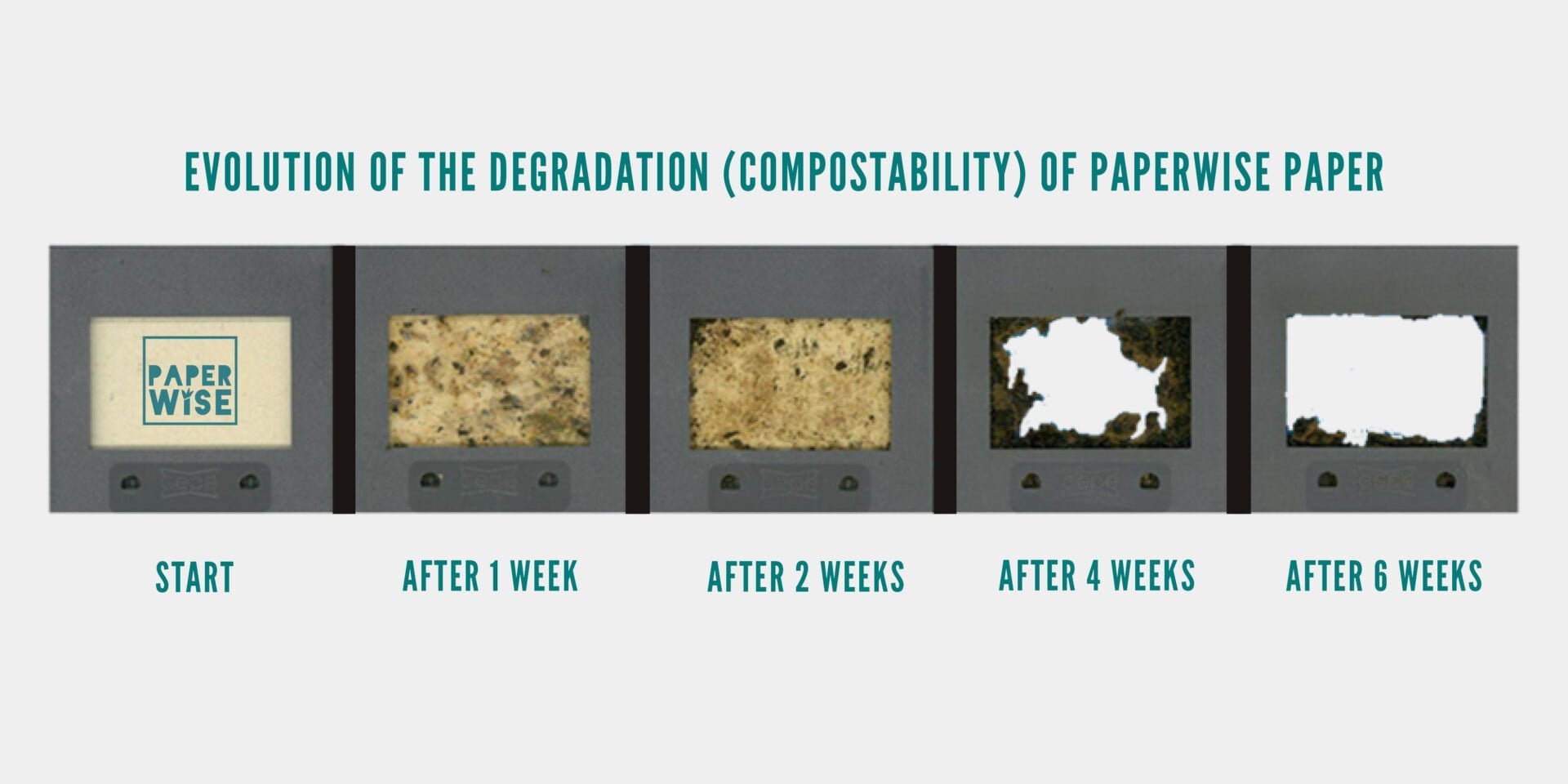
For example, packaging material made of paper and paperboard that complies with the EN 13432 standard can decompose within a few months. Packaging material made of conventional plastic (petroleum-based) of the same size can take tens of thousands of years to fully decompose. Throughout that time, it poses a burden on the environment, flora, and fauna. The introduction of the EN 13432 standard allows us to demonstrate that a material leaves a limited footprint.
Who needs to take EN 13432 into account?
EN 13432 is a standard, not a law. This means that for most companies, there is no obligation to use materials that comply with the standard. However, the EN 13432 standard offers an opportunity to demonstrably use materials that are environmentally friendly. And that is not an unnecessary luxury. Research by PwC in 2019 showed that nearly 30% of Dutch consumers actively look for products with environmentally friendly packaging. Globally, that percentage is even slightly higher at nearly 40%. The use of environmentally friendly material can therefore be a distinguishing feature for a product.
In addition, thinking about the origin and degradability of materials encourages companies to improve quality and reduce costs. A study by Harvard Business School showed that 88% of companies that adapt to a more environmentally friendly standard perform better than companies that do not.
Ultimately, any person or organization wishing to take the step toward a smaller ecological footprint and wanting to know if the materials used are environmentally friendly can verify this, among other ways, by the presence of an EN 13432 certification.
Agricultural waste as a raw material for environmentally friendly packaging
While non-degradable materials can pose a massive burden on the environment, agriculture in turn leaves behind a large amount of unused natural material. For many agricultural products, only a portion of the crop is used. The rest remains as waste. For crops such as wheat, barley, rye, rice, and sugarcane, only 20% of the plant is used for our food. The remaining 80%, stems and leaves, is mostly burned—either in incinerators to generate energy or in the open air in poor developing countries, with all the negative consequences that entails (smog, particulate matter, CO2).
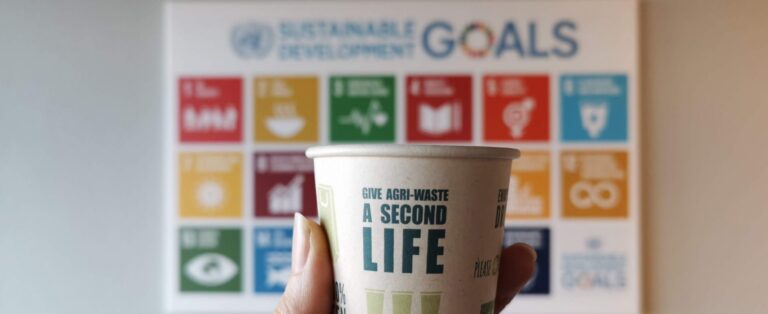
PaperWise gives this waste a second life. By using that 80% agricultural waste as a valuable raw material for paper and paperboard, the farmer earns more, no raw materials are wasted, and a valuable alternative to non-environmentally friendly materials is created.
PaperWise paper and paperboard made from agricultural waste is tree-free, bio-based, and climate-neutral. It has an environmental impact that is no less than 47% lower than paper from trees, and 29% lower than recycled paper. Furthermore, PaperWise tree-free paper and paperboard is produced in factories in India and South America, providing local employment to communities that need it most.
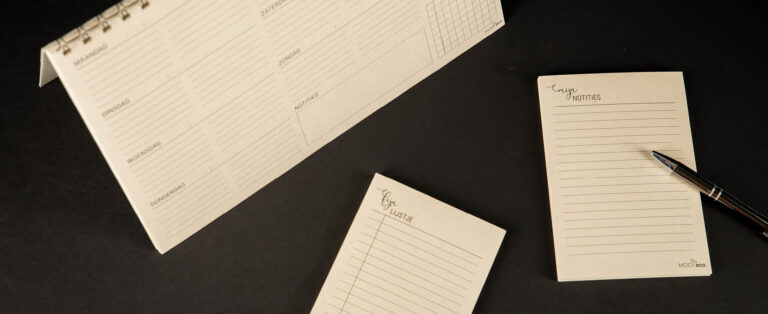
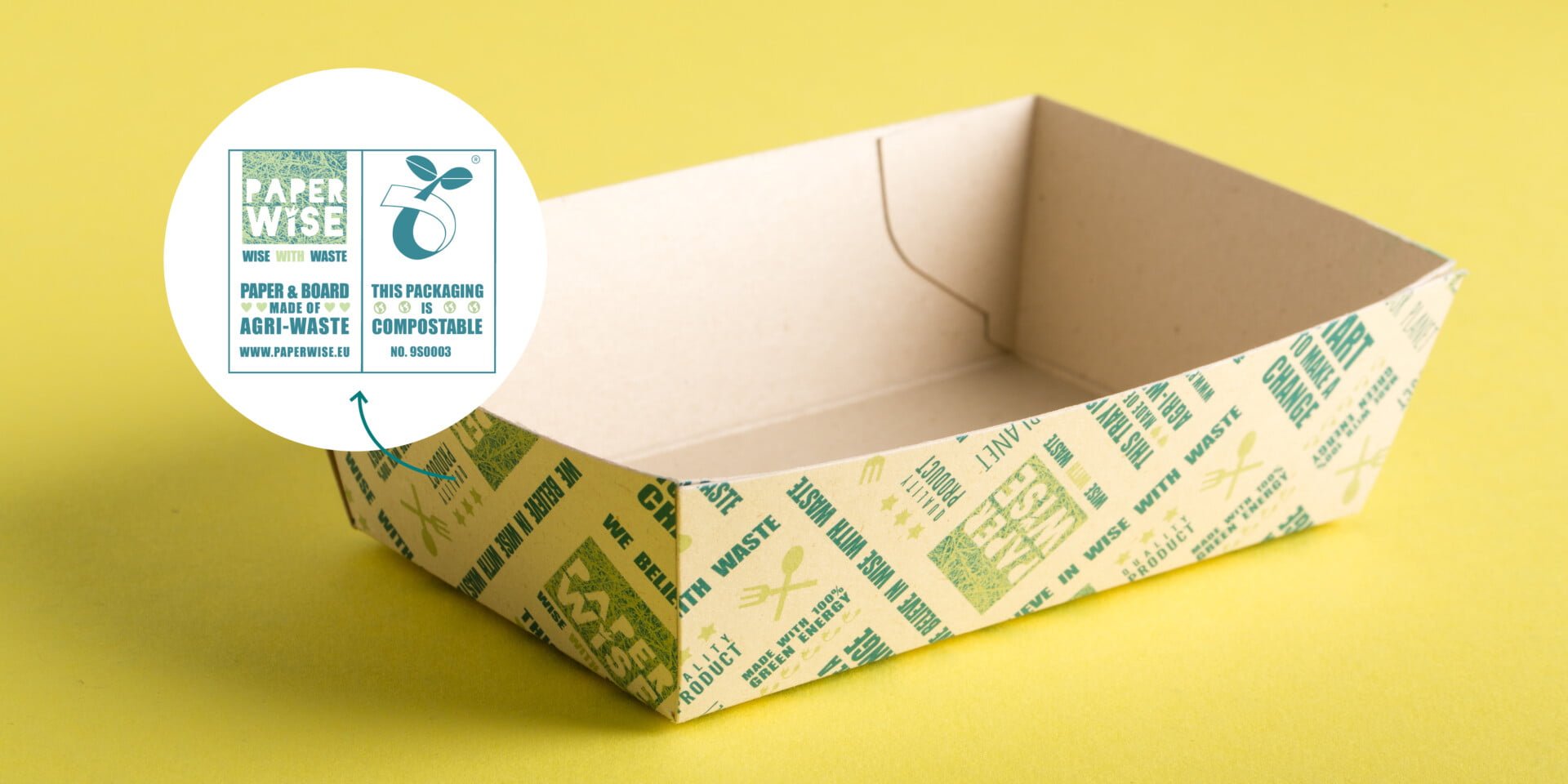
PaperWise paper and paperboard complies with the EN 13432 standard, offering an environmentally friendly alternative to difficult-to-decompose materials such as plastic. It is used to make packaging materials, cups, and disposable packaging that pose a much smaller burden on the environment. There are also many different variants of copying and printing paper made from agricultural waste. Specifically for printing companies, PaperWise paper is made from agricultural waste, making it possible to print in an environmentally friendly way from now on.
PaperWise paper and paperboard made from agricultural waste is of high quality
Just because paper and paperboard are made from agricultural waste and are therefore easily degradable does not mean they are of poor quality. On the contrary. PaperWise sheets, rolls, and paperboard are, for example, excellent for processing into sustainable packaging and printed matter for products such as fruit and vegetables, snack packaging, coffee cups, cosmetics, carrier bags, books, magazines, and brochures. Print colors show up beautifully, and the material is moisture, grease, and oven resistant.
Many customers already use PaperWise’s environmentally friendly printing and packaging materials, which has grown into the leading brand in the field of environmentally friendly and socially responsible paper and paperboard made from agricultural waste. Finally, the use of the PaperWise logo on packaging shows customers that the material is environmentally and socially friendly.