


Sustainability
What if waste could become a resource?
Every harvest leaves something behind, PaperWise gives it a second life.
Why agricultural waste?
Every year, billions of tonnes of agricultural waste are generated worldwide. Much of it is burned or discarded, causing unnecessary CO₂ emissions and pollution. PaperWise gives these plant residues a second life by transforming them into high-quality paper and board for packaging, printing and office applications.
Beyond wood fibres
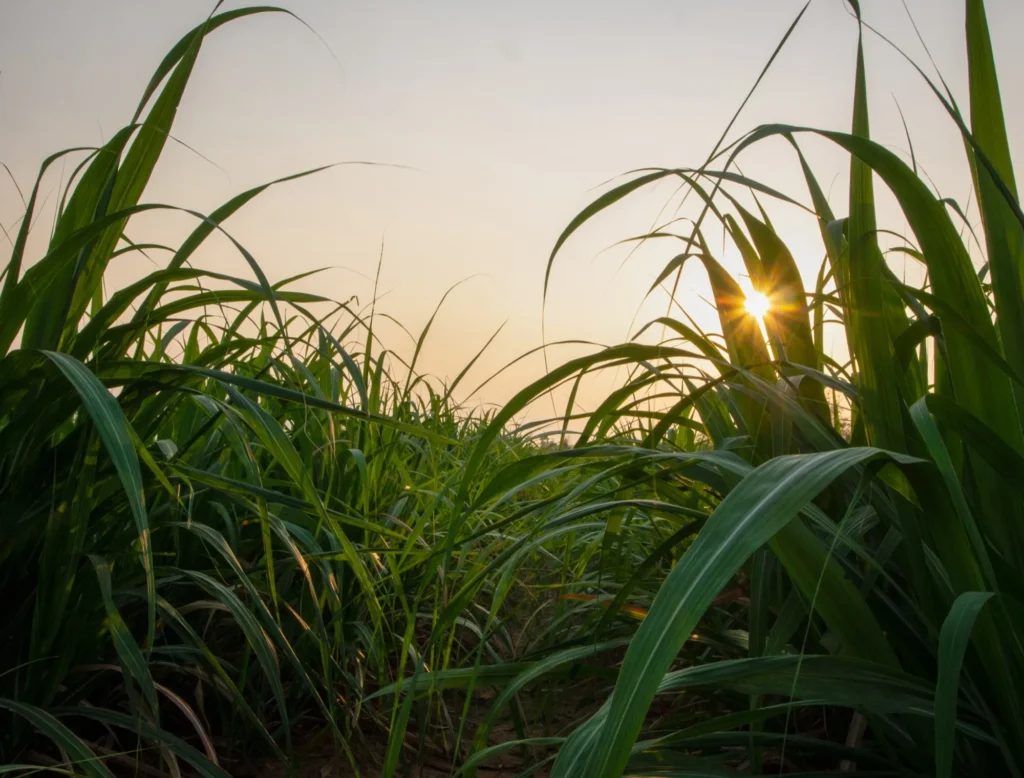
Today, most paper is made from virgin wood fibres from plantation forests, or recycled fibres. Wood is a valuable primary raw material that can take from 10 to 80 years to grow. The demand for wood fibre places increased pressure on land use and forests.
From residue to resource
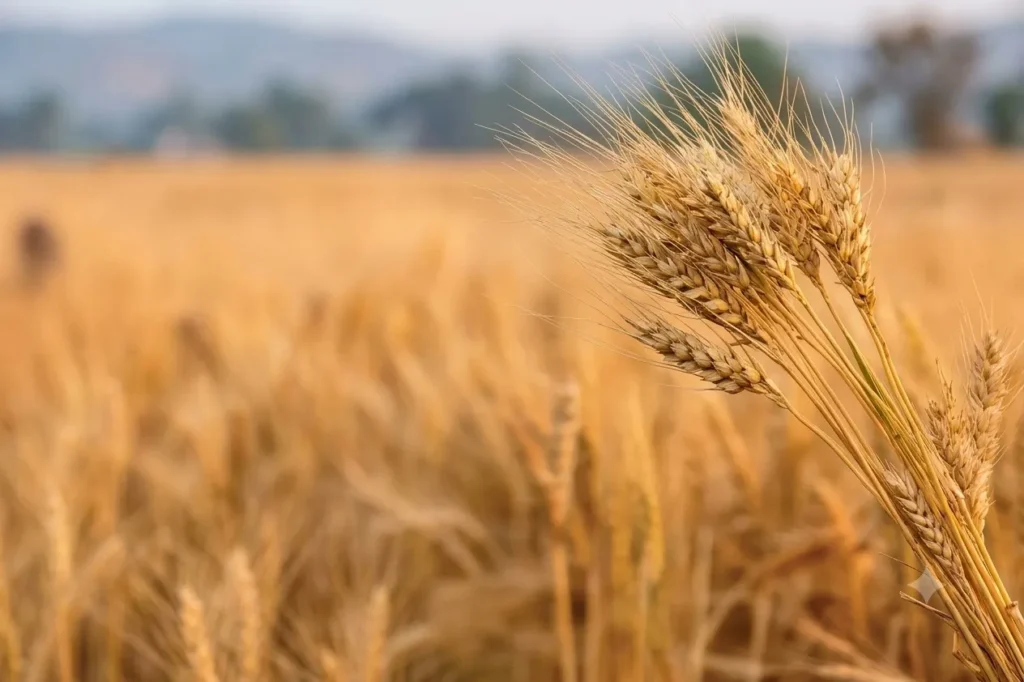
Agricultural waste offers a third, highly sustainable alternative. When crops such as rice, wheat, barley, cereals, corn, hemp, and sugar cane are harvested for food, only 20% of the plant is used. The stems and leaves that remain – around 80% of the plant – are left unused, creating agricultural waste. These residues are a secondary raw material (a by-product of food production), renewed every harvest season.

A new perspective
From the same field, society receives both food and a valuable raw material for paper and board. This is how value is created from an existing raw material, reducing reliance on wood fibres, contributing to the preservation of forests (carbon storage and oxygen release) and biodiversity.

Sustainable development goals
Contributing to a Future-Proof World
As a social enterprise, PaperWise is guided by a simple vision: Contributing to a future-proof world. We believe businesses can contribute to positive change through the choices they make, the products they develop, and the partnerships they build.
Our approach to sustainability is closely connected to the United Nations Sustainable Development Goals (SDGs). Through our products, our financial contributions, and the initiatives of the organisations we work with, PaperWise contributes to several of these goals.
1. No Poverty
Through its partnerships with suppliers and local organisations, PaperWise helps people and communities strengthen their livelihoods with sustainable sources of income, and become more economically resilient.
2. Zero Hunger
PaperWise contributes to initiatives that address nutrition and food security, including programs aimed at improving the nutritional status of young children and preventing malnutrition among pregnant women.
3. Good Health and Well-being
PaperWise helps advance initiatives that improve access to healthcare and promote healthier communities, including healthcare services, medical assistance, health screening, prevention and health-promotion activities.
4. Quality Education
Through its contributions and partnerships, PaperWise helps enable educational and practical skills opportunities for children and young people, as well as vocational and professional skills development.
6. Clean Water and Sanitation
PaperWise contributes to initiatives that improve access to clean drinking water, sanitation and related infrastructure in communities surrounding production sites.
8. Decent Work and Economic Growth
PaperWise helps foster entrepreneurship, employment, vocational training and economic development, while suppliers contribute through employee training, skills development and opportunities for professional growth.
10. Reduced Inequalities
PaperWise helps broaden access to education, healthcare, nutrition, clean water, skills development and economic opportunities in communities where access to these resources may be limited, contributing to social and economic inclusion.
12. Responsible Consumption and Production
By making paper and board from agricultural waste, PaperWise gives an existing agricultural resource a new application and supports a more circular, resource-efficient approach to material use.
13. Climate Action
By offering paper and paperboard made from agricultural waste, PaperWise enables businesses to make more climate-conscious material choices through a lower-impact alternative approach to paper production.
17. Partnerships for the Goals
Sustainability is a shared responsibility. PaperWise works together with customers, production partners, foundations, local organisations and other stakeholders to advance positive environmental and social change.
Certifications and quality marks
Our certifications and quality marks reflect different aspects of our products and business practices including environmental performance, product safety, quality and working conditions.
B Corp Certified
Responsible business
Recognises businesses that meet standards for social responsibility, transparency, environmental performance and accountability. We are proud to be one!

PTS
Recycling
Indicates that the relevant paper product has been tested for its suitability for recycling according to the PTS method. Our paper can be recycled up to 7 times.

PPWR
Packaging & Packaging Waste Regulation
EU packaging regulations reduce waste and promote circularity through waste management requirements. Our company complies with all applicable requirements.
ISEGA
Safe food-contact
Provides testing and assessment for materials intended for specific food contact applications. We are certified as safe and applicable for food contact.

DIN Certco
Home compostability
Certifies products that meet specified requirements for compostability in home composting conditions. PaperWise is certified home compostable.

EN 13432
Industrial compostability
Defines requirements for packaging to be recoverable through industrial composting and biodegradation under specific conditions.

ISO 9001
Quality management
Sets requirements for a quality management system focused on consistent products, processes and customer satisfaction.

ISO 14001
Environmental management
Sets requirements for an environmental management system that helps an organisation manage and improve its environmental performance.

ISO 45001
Occupational health and safety
Sets requirements for managing workplace health and safety and reducing work-related risks.

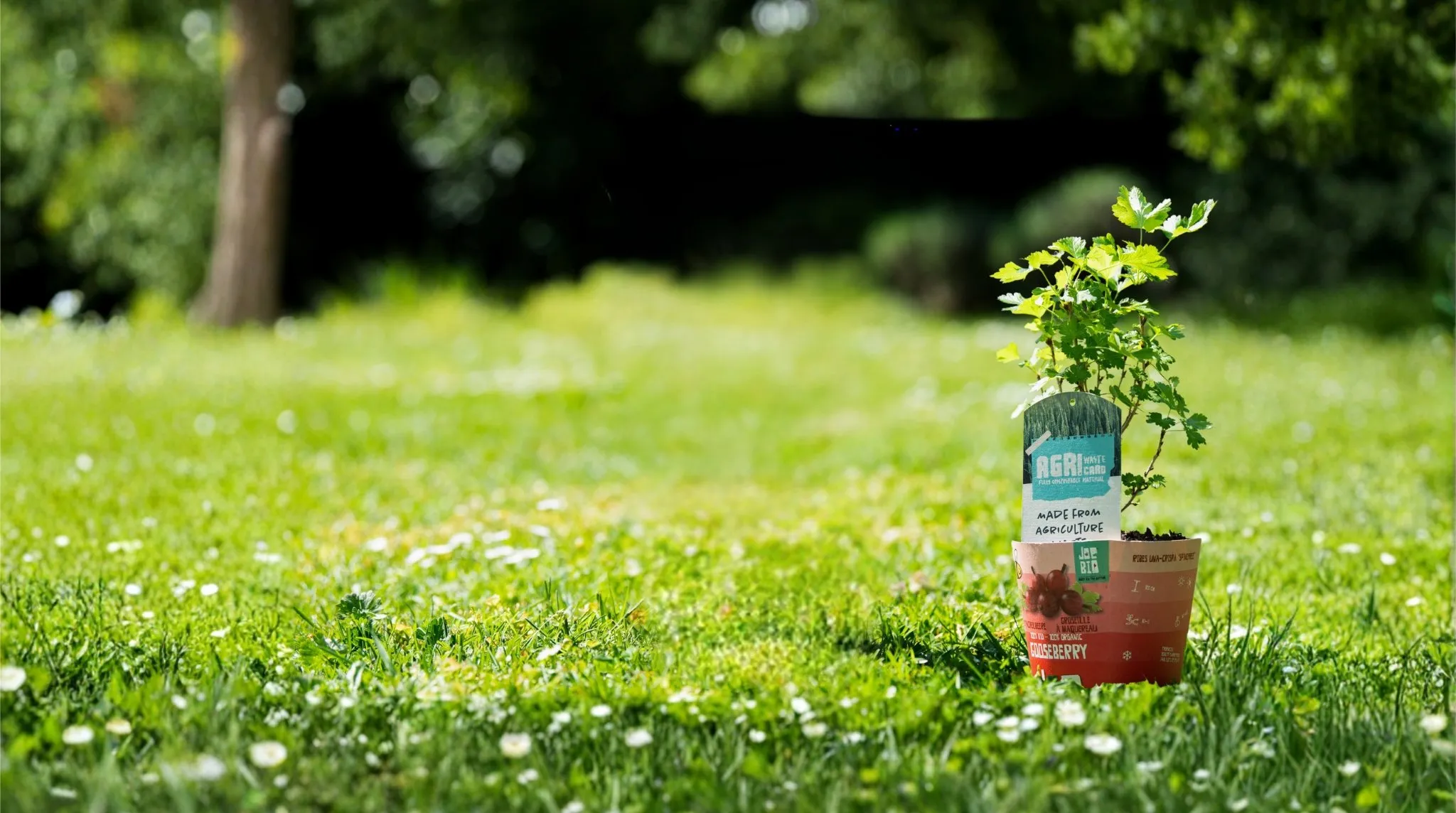
Our ambition is to help accelerate the transition towards a circular economy in which waste becomes a resource and sustainable choices become the standard. Every PaperWise choice supports a more resource conscious way of making paper! #WiseWithWaste.
We continue to work towards a future where paper and board are increasingly made from agricultural waste rather than virgin raw materials, and now:
The next step is yours
Discover another possibility for making the most of resources around us.
Sustainability in practice
Sustainability is reflected in different aspects of what we do. Explore how we benefit the environment and explore how we approach our responsibilities towards the community.